Distributed Generation in Chile: What It Is and How It Benefits Companies, Households, and Institutions
Distributed generation in Chile represents a real solution for companies to reduce costs, contribute to a more stable electrical system, and harness renewable energy from their own rooftops.

Co-Founder AHORRO ENERGÍA & IoT-MONITOR
What Is Distributed Generation?
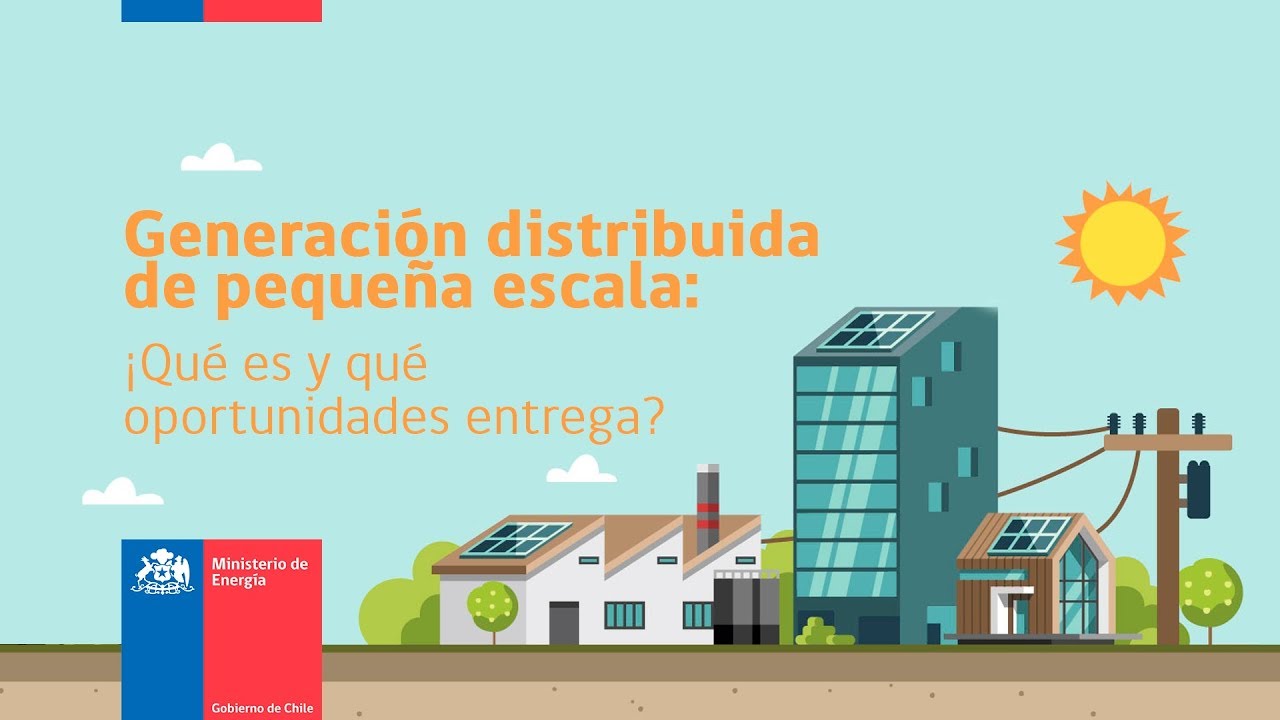
Distributed generation allows companies, households, and institutions to produce electrical energy from sources close to the point of consumption. This involves structures such as solar panels, small turbines, or storage systems, instead of depending exclusively on large power plants.
Distributed generation consists of producing electricity near where it will be needed, whether through solar panels on business rooftops, small turbines, or local batteries. This reduces transmission losses, increases system resilience, and promotes the use of renewable energy.
In Chile, distributed generation is primarily regulated by Law 21.118, which introduced the scheme known as GDA (Distributed Generation for Self-Consumption), in effect since 2019. Under this regulation, both regulated and free customers can generate renewable energy (such as solar) and, if they produce surpluses, send them to the grid to be valued, in a system similar to net billing.
Benefits for Companies
Companies that adopt distributed generation obtain direct savings on their energy costs by replacing part or all of the purchased energy with self-generated electricity at a much lower cost. In addition, if production exceeds consumption, surpluses can be injected into the electrical grid and economically valued through the GDA system, generating additional income.
Another key aspect is the adaptability of the system, as industrial companies, warehouses, and distribution centers can implement solar panels on industrial roofs or other photovoltaic solutions at scale according to their needs. Entry into the system is simple thanks to digitalized and simplified processes by the GDA platform of the Superintendency of Electricity and Fuels (SEC), eliminating bureaucratic barriers.
At the same time, by generating clean energy in a decentralized manner, companies not only reduce their environmental footprint but also contribute to the stability of the national electrical system.
Loss Reduction and Greater Efficiency
By generating energy near consumption, a considerable portion of losses associated with transport from distant power plants is eliminated. This increases the company's energy efficiency and reduces operational costs associated with energy transmission.
Stability and Resilience
Distributed generation allows diversifying energy sources, reducing dependence on the central grid. This strengthens stability and reduces impacts from supply cuts, providing greater energy security to companies.
Sustainability and Emission Reduction
It promotes the use of renewable technologies such as solar, facilitating the energy transition and reducing the corporate carbon footprint. Each company that implements distributed generation actively contributes to sustainability and emission reduction goals.
Active User Participation
Companies become generators, not just consumers. In this way, they control part of their productive potential and can even monetize their energy surpluses, transforming energy into an income-generating asset.
Less Pressure on Electrical Infrastructure
By distributing generation, bottlenecks in the main grid are reduced, delaying or avoiding costly investments in electrical infrastructure. This benefits both companies and the national electrical system as a whole.
Regulatory Framework and Procedures in Chile
Law 20.571 (2014) initially allowed net billing for regulated customers who generate their own energy with NCRE (non-conventional renewable energy), and was the basis for the development of current regulation.
The GDA scheme, regulated since 2019 by Law 21.118 and its regulation (Supreme Decree N°57), establishes the rules for self-consumption with surplus injection. This modality is available for small generators, with simplified connection procedures according to power (<1.5 MW, for example), and enables any consumer, regulated or not, to participate.
The Superintendency of Electricity and Fuels (SEC) makes available an online platform called GDA to carry out processing, review technical feasibility, send connection requests, coordinate energization communication (TE-4), and validate authorized products (panels, inverters, protections).
With clear regulatory frameworks, public digital tools, and concrete benefits, investing in solar self-consumption is a strategic decision with immediate and long-term impact.
How to Implement a Distributed Generation Project in Your Company
The first step to execute an efficient distributed generation project is to conduct a detailed feasibility analysis that considers energy consumption, location, solar radiation, and available space (such as roofs or land).
AHORRO ENERGIA offers free evaluations that estimate the percentage of energy that can be replaced and calculate the projected savings on the electricity bill, return on investment, in addition to estimating the reduction in CO2 emissions.
Providers and Installation
Once feasibility is validated, the next step is to choose a reliable provider to carry out the solar company project. In Chile, AHORRO ENERGIA stands out as a leader in distributed generation, operating hundreds of plants in different sectors and industries across the country.
AHORRO ENERGIA handles the entire project cycle: plans, builds, operates, and maintains the solar company plant, eliminating the need for initial investment by the client. Let's work together? Contact us and take the next step toward energy autonomy.